

Zone your yard around how your dog actually uses it, pick surfaces built to take a beating, and skip anything toxic near the places your dog roams. Resilient grasses like tall fescue and perennial ryegrass handle urine far better than Kentucky bluegrass, and grassless options such as permeable pavers or artificial pet turf solve the mud problem entirely. The sections below walk through the planning, materials, and mini-projects you can build yourself. They include notes on when it makes sense to call in a professional crew.
TL;DR:
- Choosing durable surfaces like tall fescue, permeable pavers, or artificial turf can help reduce wear and mud while handling urine and heavy traffic.
- Mapping your dog’s regular paths, potty spots, and digging areas ensures your yard design works with their habits and minimizes future damage or confusion.
- Avoid toxic plants such as sago palms, rhododendrons, oleander, and certain bulbs; instead, opt for safe options like ornamental grasses and herbs, always checking the ASPCA database.
- Proper shading, water access, and surface cooling measures are essential to prevent heat buildup, especially on artificial turf and dark hardscapes.
- Construction tasks like drainage, proper base preparation for patios, and installing shade structures are best done by professionals to ensure safety and durability.
Table of Contents
- Planning first: map dog routes, create zones, and set priorities
- Surfaces that last and stay comfortable: turf, pavers, gravel, mulch, and artificial options
- Which plants to avoid, safe alternatives, and how to check plant safety
- Copyable layout ideas: pee spot, dig pit, paths, and protected plant beds
- Cooling and hydration: shade structures, plant selection, and safe water features
- Simple routines to keep the yard clean, control odor, and repair damage
- Village Precision Pros perspective and when to hire a pro
- What actually matters when you dogscape your yard
- How Village Precision Pros can help you build it
- Sources
- FAQ
Planning first: map dog routes, create zones, and set priorities
Before you buy a single plant or pallet of pavers, watch your dog for a week. Note the worn paths along the fence line, the spot where digging starts, and the corner they retreat to when it’s hot. That pattern is your design brief, according to petscaping guidance from UF/IFAS, which recommends building around existing routes rather than fighting them.
- Observe and sketch. Walk the yard at different times of day and mark traffic patterns, sunny and shaded spots, and drainage low points.
- Size your zones. Set aside a play area, a potty spot, a digging pit, and a quiet shaded corner, each scaled to your dog’s size.
- Plan the fence buffer. Dogs patrol boundaries, so leave a 2 to 3-foot strip of tough material along fences instead of delicate plantings.
- Know your limits. Grading, drainage corrections, and large hardscape installs are where a landscape water drainage professional earns their keep.
Surfaces that last and stay comfortable: turf, pavers, gravel, mulch, and artificial options
Grass choice matters more than most homeowners realize. Purdue Extension found that tall fescue and perennial ryegrass resist urine-induced ammonia damage much better than Kentucky bluegrass, and watering a fresh spot right after your dog goes helps dilute the ammonia before it scorches the blades.
For yards that see heavy traffic, grass isn’t always the answer.
- Permeable pavers handle constant foot traffic and drain well, making them a strong choice for main paths.
- Decomposed granite compacts into a firm, paw-friendly surface with low maintenance needs.
- Pea gravel looks tidy but can lodge between paw pads and gets hot fast in full sun.
- Untreated wood mulch, like cedar or pine, is a safer ground cover than cocoa bean mulch, which contains theobromine and is toxic to dogs according to extension and IFAS guidance.
- Artificial pet turf eliminates mud and urine spots but needs regular rinsing and, per IFAS notes on synthetic surfaces, can heat up enough to bother your dog’s paws without shade or cooling measures.
Pro Tip: Lay your main dog path in flagstone or compacted decomposed granite first: it’s the one surface decision that prevents the most landscape damage later.
Which plants to avoid, safe alternatives, and how to check plant safety
Some common landscaping plants are genuinely dangerous to dogs, and a few can be fatal if chewed or swallowed.
- Sago palm: every part is toxic, and ingestion can cause liver failure.
- Azalea and rhododendron: cause vomiting, drooling, and in severe cases cardiac problems.
- Oleander: highly toxic to the heart, even in small amounts.
- Foxglove: contains compounds that disrupt heart rhythm.
- Certain spring bulbs, like daffodil and tulip, concentrate their toxins in the bulb itself.
The ASPCA maintains a searchable database of toxic and non-toxic plants that homeowners should check before introducing anything new to the yard. For safer, sturdy choices, look at ornamental grasses, camellias, roses, and edible herbs like rosemary and basil, all of which tolerate a curious nose without much risk. Protect anything borderline with raised beds or low decorative fencing rather than open ground cover, since physical separation works better than hoping your dog ignores a tempting new plant.
Copyable layout ideas: pee spot, dig pit, paths, and protected plant beds
A few small, purpose-built features solve most of the daily friction between dogs and landscaping.
- Elimination area. Pick one spot, add a vertical marker like a large rock or planter to draw your dog’s attention, and layer sand over drainage gravel so cleanup stays simple.
- Dig pit. Frame a section with edging, fill it with a sand mix, and reward your dog for digging there instead of the flower bed. Consistency and positive reinforcement train the habit faster than scolding does.
- Dog paths. Build on the routes you already mapped, using flagstone, pavers, or compacted decomposed granite so the worn dirt trail becomes a finished feature instead of an eyesore.
- Protected beds. Raised planters and low, open fencing keep paws out of vulnerable plantings without turning the yard into a maze.
Cooling and hydration: shade structures, plant selection, and safe water features
Heat is one of the fastest ways a well-planned yard turns dangerous, so managing surface heat is essential to keep your dog safe and comfortable, as explained in How To Keep A Patio Cool: Beat The Heat. Shade trees, pergolas, or a simple shade sail give your dog somewhere to retreat, and they do double duty by cooling nearby hardscape and turf.
- Artificial turf runs hotter than natural grass in direct sun, so pair it with shade, lighter-colored infill, or a quick irrigation rinse during peak afternoon heat.
- A shallow kiddie pool or a low dog fountain gives your dog a way to cool off, but place it on a surface that drains well to avoid a soggy mess.
- Keep fresh water available at all times, and check paws and gums on hot days for signs of overheating.
Pro Tip: Run a timed sprinkler or drip line across artificial turf for thirty seconds before your dog goes outside on a hot afternoon: it knocks several degrees off the surface fast. For more on managing surface heat, see our turf heat solutions guide.
Simple routines to keep the yard clean, control odor, and repair damage
A dog-friendly yard stays that way through small, repeated habits rather than one big cleanup.
- Rinse artificial turf regularly and scoop solids daily to prevent odor buildup.
- Water fresh urine spots immediately, since dilution is what protects the grass according to Purdue’s turf guidance.
- Reseed dead patches with tall fescue or perennial ryegrass rather than repeating the grass that failed.
- Skip cocoa mulch entirely and follow product labels on any lawn treatment, since AVMA household hazard guidance recommends keeping pets off treated areas until it’s safe.
- Keep compost bins secured to avoid attracting wildlife or exposing your dog to moldy scraps.
A 2004 study published in the Journal of the American Veterinary Medical Association found an association between exposure to phenoxy herbicide treated lawns and increased bladder cancer risk in certain breeds, which is reason enough to follow label waiting periods strictly and limit chemical use where your dog spends the most time.
Village Precision Pros perspective and when to hire a pro
Since 2020, landscaping professionals have completed many projects in Central Arkansas, including hardscapes, artificial turf, and drainage corrections, which often feature in dog-friendly yard projects. Some jobs reward a DIY weekend. Others don’t.
- Artificial turf installation requires proper base compaction and drainage, work best left to a crew that does it daily.
- Large patios and paths need grading and a compacted aggregate base to avoid heaving or pooling water later.
- Drainage corrections prevent the standing water that turns a dig pit into a mud pit.
- Permanent shade structures involve footings and load calculations that are easy to get wrong without experience.
If you bring in a contractor, hand them a brief covering your zones, preferred materials, drainage goals, and what you expect the finished yard to do for your dog.
What actually matters when you dogscape your yard
Most dog-friendly yard advice focuses on products: the right turf, the right mulch, the right fence. Products matter, but the research keeps pointing back to something simpler. The yards that hold up are the ones designed around observed dog behavior first, materials second.
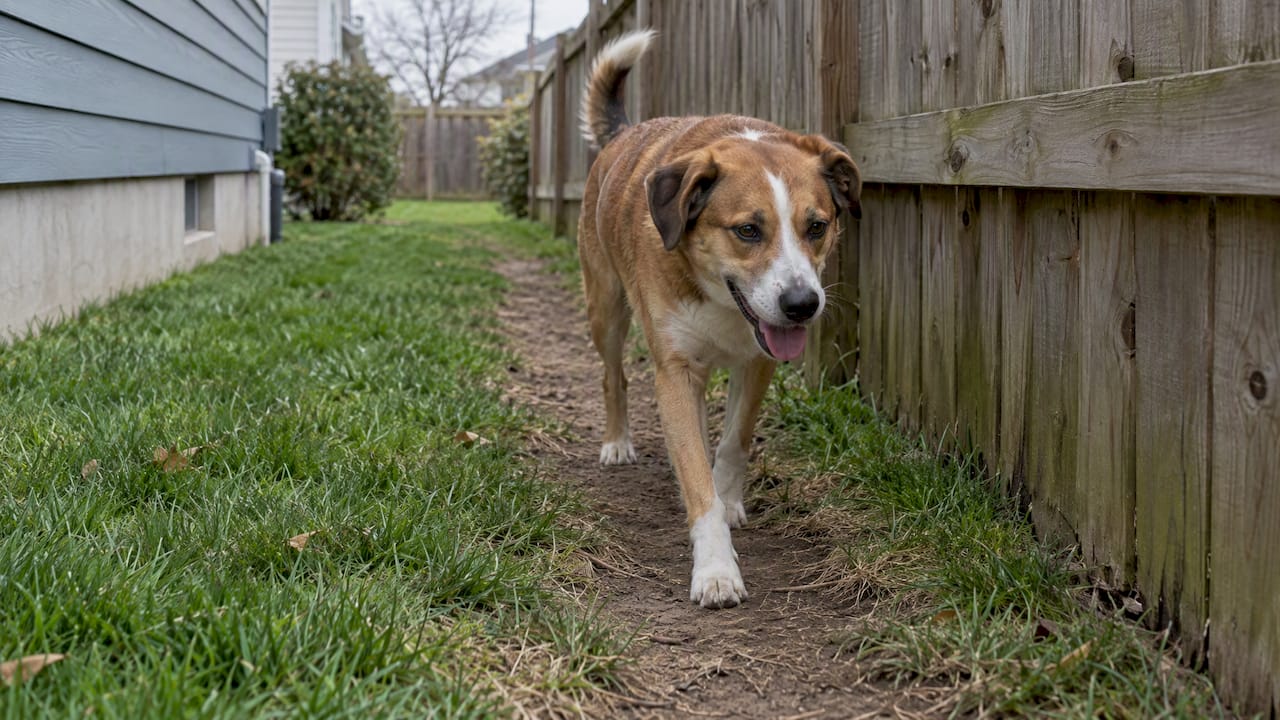
Homeowners who skip the observation step tend to buy the trendiest grassless surface or the prettiest toxic-free plant list, then wonder why their dog still digs under the new pavers or tramples the new bed. A dog that already has a worn path along the fence isn’t going to stop using it because you planted hostas there. Work with that path instead of against it, and half your material decisions get easier.
The other place conventional advice falls short is heat. Plenty of guides push artificial turf as the low-maintenance fix without mentioning that it can run hot enough to burn paws in direct summer sun. Shade and water access aren’t optional extras, they’re part of the surface decision itself.
If you take one thing from all this: map before you build.
Ty
How Village Precision Pros can help you build it
Planning a dog-friendly yard is one thing, building it to last through years of digging, running, and summer heat is another. Village Precision Pros brings the combination that matters most here: Landscape & Irrigation work for drainage and cooling, Artificial Turf Installation for grassless zones done right, and Hardscape & Stone Masonry for the paths and patios that take daily wear without shifting or cracking.

A typical project often starts with a site visit to assess the yard, followed by material recommendations suited to a dog’s size and habits, a clear timeline, and a final walkthrough once the work is completed.
- Turf and drainage corrections that stop mud and standing water for good.
- Patios and paths built on a proper compacted base so they don’t heave.
- Annual maintenance plans to keep everything performing season after season.
If you’re ready to turn the plan into something built, get in touch with our team to schedule a consultation.
Sources
For homeowners who want to verify anything in this article or dig deeper before starting a project, these are the primary references worth bookmarking.
- Purdue Extension, ay-327-w: Managing dog urine damage in lawns
- ASPCA: Top 10 toxic plants for pets
- Journal of the American Veterinary Medical Association, 2004 study on lawn chemical exposure and canine bladder cancer
- UF/IFAS Gardening Solutions, petscaping
- American Kennel Club, Dog-friendly grassless yards
FAQ
What kind of landscaping is best for dogs?
The best approach zones the yard by function, play, potty, digging, and shade, then matches durable surfaces to each zone. Tall fescue and perennial ryegrass hold up better to urine than Kentucky bluegrass, according to Purdue Extension, while permeable pavers and artificial turf work well for high-traffic areas.
What are some ideas for dog-friendly landscaping in my backyard?
Start with a dedicated elimination spot marked by a rock or planter, a sand-filled dig pit with edging, and paths built along the routes your dog already walks. Add raised beds or low fencing to protect plantings, and include shade and a water source for hot days.
What can I plant in my backyard that is safe for dogs?
Ornamental grasses, camellias, roses, and herbs like rosemary and basil are generally safe, durable choices for a yard with dogs. Always check a new plant against the ASPCA’s plant database before planting it, since many common ornamentals like azaleas and sago palms are toxic.
What to put in the yard instead of grass for dogs?
Permeable pavers, decomposed granite, and artificial pet turf are common grass alternatives that hold up to digging and reduce mud. Each comes with tradeoffs, AKC guidance notes that gravel can irritate paws and artificial turf can heat up, so shade and drainage planning still matter.