

A property maintenance program is a structured plan that schedules regular inspections, preventive tasks, and upkeep to keep your property functional, safe, and looking its best year-round. For homeowners and property managers in Arkansas, where hot summers, heavy spring rains, and occasional ice storms put real stress on outdoor spaces, a proactive approach is not optional. It is the difference between a yard and hardscape that holds its value and one that quietly deteriorates. Preventive maintenance programs reduce emergency repair incidents by 50–70%, extend equipment lifespan by 20–35%, and lower overall maintenance spending by 8–15%. Those numbers tell a clear story: planned upkeep costs far less than reactive repairs.
What should a property maintenance program include?
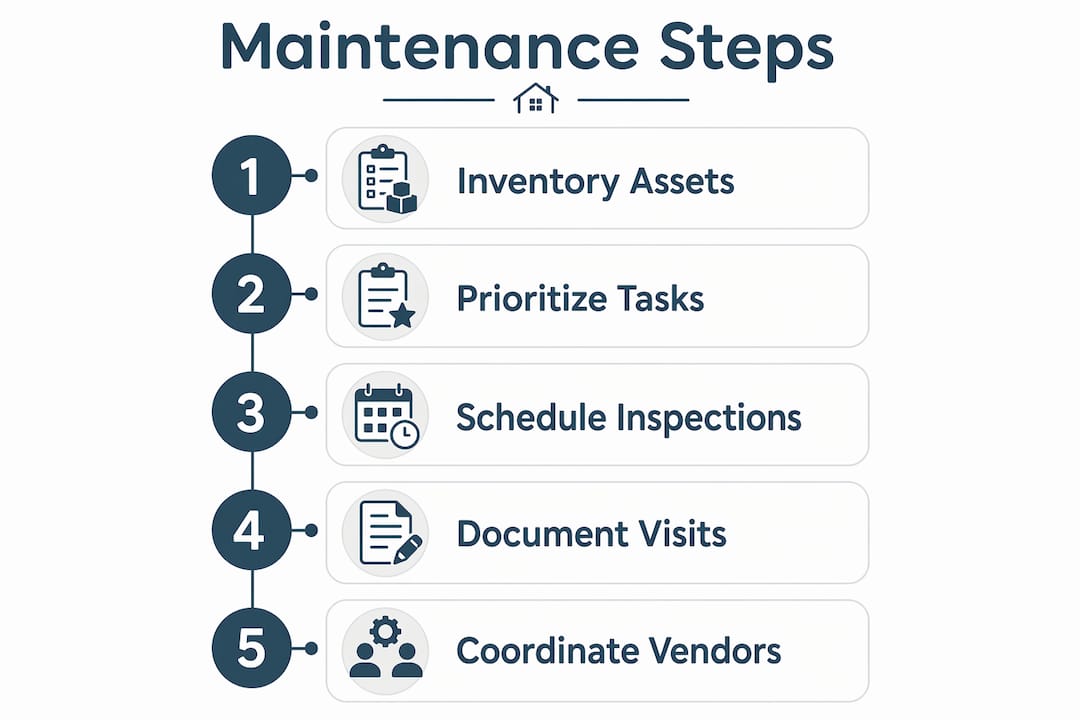
A well-built preventive maintenance plan starts with a complete asset inventory. Before you schedule a single task, you need to know exactly what you are maintaining. For outdoor properties, that means cataloging irrigation systems, drainage infrastructure, lawn areas, hardscape surfaces like patios and pathways, trees and shrubs, exterior lighting, and any structural elements such as retaining walls or fences.

Once you have your inventory, the next step is building an asset criticality hierarchy. Skipping this step leads to wasted resources on low-impact items while high-risk systems go neglected. A drainage system that fails during an Arkansas spring downpour causes far more damage than a decorative border that needs trimming. Rank your assets by the cost and disruption their failure would cause, then schedule maintenance frequency accordingly.
Manufacturer guidelines set the baseline for how often each system needs attention. Your irrigation controller, for example, may specify a seasonal flush and pressure check. Outdoor lighting fixtures have rated service intervals. Following these guidelines is the foundation of a credible preventive maintenance plan.
Common outdoor maintenance tasks to include:
- Irrigation system checks: Inspect heads, test pressure, and flush lines each spring and fall
- Drainage inspection: Clear debris from channels and check grading after heavy rain events
- Hardscape assessment: Look for cracking, settling, or joint erosion in patios, pathways, and retaining walls
- Lawn and landscape care: Mowing, edging, fertilization, and seasonal planting aligned with Arkansas growing seasons
- Tree and shrub pruning: Remove dead growth, shape for clearance, and check for storm damage
- Exterior lighting: Test fixtures, replace bulbs, and check wiring connections seasonally
- Fence and structure inspection: Check posts, boards, and hardware for rot, rust, or movement
Pro Tip: Separate your asset list into two tiers: systems that cause immediate safety or water damage if they fail (irrigation, drainage, retaining walls) and systems that affect aesthetics or comfort (lighting, lawn, decorative plantings). Maintain the first tier on a tighter schedule.
The distinction between preventive and reactive maintenance is worth understanding clearly. Reactive maintenance means you fix things after they break. Preventive maintenance means you service things on a schedule before they fail. Typical maintenance schedules that follow a structured cadence prevent about 85% of common failures. That figure alone justifies the planning effort.
How do you build an effective maintenance schedule?
Scheduling is where most property upkeep programs fall apart. Owners create a list of tasks and then let them drift because there is no enforcement mechanism. A schedule that works treats timing as a non-negotiable commitment, not a suggestion.
The most reliable scheduling framework follows this cadence:
- Monthly minor inspections: Walk the property and check for visible issues. Look at drainage outlets, scan hardscape for new cracks, and confirm irrigation is running correctly. These visits take 20–30 minutes and catch problems early.
- Quarterly light touchpoints: Two of these fall in winter and summer. Check systems that are under seasonal stress, clear debris from drainage paths, and test exterior lighting.
- Spring and fall heavy rounds: These are your two most important maintenance windows. Spring and fall seasonal rounds are the backbone of a sound preventive plan. In Arkansas, spring prep means checking for winter frost damage, flushing irrigation, and treating lawn for warm-season growth. Fall prep means cutting back, winterizing irrigation, and inspecting hardscape before freeze-thaw cycles begin.
- Annual deep maintenance block: Once a year, bring in professional crews for a full-property assessment. This is when you address anything deferred from the quarterly rounds and plan capital improvements for the coming year.
Batching tasks by location and vendor reduces cost and disruption. If a crew is already on-site trimming trees, schedule the irrigation check for the same visit. Route optimization cuts travel time and keeps vendor costs down.
Digital scheduling tools change the execution game. Automated work order platforms that generate tasks in advance push completion rates to 90–95%. That is a dramatic improvement over manual calendars, which rely on someone remembering to act. Maintenance scheduling software also sends tenant notifications in advance, which reduces access conflicts and improves cooperation.
Pro Tip: In Arkansas, schedule your heavy spring round for late march through mid-April, before summer heat arrives. Schedule your fall round in october, after peak leaf drop but before the first hard freeze. Timing these windows correctly protects your outdoor systems through the two most stressful seasonal transitions.
For properties with tenants, timing matters beyond just the calendar. Proactive scheduled maintenance reduces disruptive emergency repairs and builds tenant loyalty through reliable upkeep. Schedule non-urgent work during business hours when possible, and give at least 48 hours’ notice before any access-required visit.
Why does documentation matter in a maintenance program?
Documentation is the part of property upkeep services that most owners underinvest in. It feels administrative, but it protects you legally, financially, and operationally.
Every maintenance visit should produce a record that includes:
- Dated photos: Before and after shots of every area serviced
- Task summary: What was done, what was found, and what was deferred
- Vendor name and time on-site: For accountability and billing verification
- Materials used: Product names, quantities, and application areas
- Follow-up flags: Any issue that needs attention at the next visit
Maintenance visit documentation with dated photos and summaries is the primary evidence in security deposit disputes, insurance claims, and compliance verification. Without it, you have no proof that a crack in a patio was pre-existing or that a drainage issue was addressed before a tenant moved in.
The financial case for documentation is equally strong. Scheduled preventive maintenance costs roughly one-third of what emergency repairs cost and can return a 3:1 ROI by avoiding major failures. Tracking your PM completion rate over time shows you whether your program is actually working or just generating paperwork. If your emergency call volume drops quarter over quarter, your documentation proves the program is delivering results.
Digital tools make this practical. Cloud-based work order platforms let you attach photos directly to task records, generate budget reports by property or vendor, and flag overdue items automatically. For property managers handling multiple Arkansas properties, this level of visibility is the difference between controlled operations and constant firefighting.
How do you choose and coordinate with property upkeep vendors?
The quality of your property maintenance program depends heavily on the vendors executing it. Choosing the right service providers is not just about price. It is about reliability, communication, and the ability to work within your scheduling framework.
Key criteria for selecting outdoor maintenance vendors:
- Licensing and insurance: Verify current general liability coverage and any required state licenses for irrigation or structural work in Arkansas
- Documented service history: Ask for references from properties similar in size and type to yours
- Scheduling flexibility: Confirm they can commit to your quarterly and seasonal windows, not just on-call availability
- Communication standards: Require written confirmations, visit summaries, and photo documentation after every service
- Volume and route efficiency: Vendors who service multiple properties in your area can often offer better pricing and faster response times
For out-of-area owners, the coordination challenge is real. Professional maintenance providers add significant value by fully coordinating vendor access, oversight, and documentation, which minimizes the owner’s direct involvement. This hands-off model works when you have a single point of contact who manages the full vendor roster and reports to you on a set schedule.
Ongoing vendor relationships also pay off financially. Vendors who know your property well spot problems faster and make fewer errors. They understand your drainage quirks, your irrigation layout, and which hardscape areas need extra attention after a wet season. That institutional knowledge is worth more than the marginal savings from switching vendors every year for a slightly lower quote.
Seasonal HVAC maintenance follows the same logic as outdoor upkeep. Pairing your HVAC service schedule with your outdoor maintenance calendar keeps all your property systems aligned and reduces the number of separate vendor visits you need to coordinate.
Key Takeaways
A structured property maintenance program built on preventive scheduling, asset prioritization, and thorough documentation consistently outperforms reactive upkeep in cost, property condition, and long-term value.
| Point | Details |
|---|---|
| Start with asset inventory | Catalog every outdoor system before scheduling any maintenance task. |
| Prioritize by criticality | Drainage and irrigation failures cause more damage than cosmetic issues; schedule them first. |
| Follow a seasonal cadence | Spring and fall heavy rounds, monthly checks, and one annual deep block prevent most failures. |
| Document every visit | Dated photos and task summaries protect you in disputes and prove program effectiveness. |
| Choose vendors for reliability | Consistent vendor relationships deliver better results than lowest-bid switching. |
What I’ve learned after years of watching property maintenance go wrong
The most common mistake I see is owners building a thorough task list and then managing it on a shared spreadsheet or a paper calendar. Within two months, tasks slip. By fall, the irrigation system that needed a spring flush is running at reduced pressure, and no one noticed until a zone failed mid-summer. The list was never the problem. The execution system was.
The second mistake is treating all maintenance tasks as equally urgent. I have watched property managers spend real money on decorative mulch refreshes while ignoring a slow drainage problem that eventually undermined a retaining wall. An asset criticality hierarchy sounds like a corporate concept, but it is really just common sense written down. Fix what causes damage first. Fix what looks nice second.
For owners managing Arkansas properties from out of state, the hands-off model only works if your vendor has clear documentation requirements from day one. Do not assume a good vendor will automatically send photos and summaries. Put it in writing, in the service agreement, before the first visit. That paper trail is your only window into what is actually happening on your property.
Patience matters more than most owners expect. A preventive maintenance program does not show dramatic results in month one. It shows results in year two, when your emergency call volume is down and your outdoor systems are still performing as designed. The discipline to stay on schedule even when nothing looks broken is what separates properties that hold their value from those that quietly decline.
— Ty
Villageprecisionpros: your partner for reliable outdoor upkeep
Villageprecisionpros has completed over 1,750 outdoor projects across Central Arkansas since 2020, and we understand what it takes to keep a property looking sharp through every season. Our landscape maintenance services cover everything from irrigation checks and drainage solutions to hardscape care and seasonal cleanup, all coordinated through a clear scheduling process that keeps you informed without demanding your constant attention.
Our maintenance scheduling process generates documented work orders for every visit, with photos and task summaries delivered after each service. Whether you need a one-time spring assessment or a full-year preventive plan, we build the program around your property’s specific needs. Contact Villageprecisionpros to schedule a consultation and put a real maintenance plan in place before the next Arkansas season catches you off guard.
FAQ
What is a property maintenance program?
A property maintenance program is a structured plan that schedules regular inspections and preventive upkeep tasks to preserve a property’s function and appearance. It replaces reactive, break-fix maintenance with planned service intervals aligned to asset criticality and seasonal demands.
How often should outdoor property maintenance be done?
The standard cadence includes monthly minor inspections, quarterly light checks, heavy spring and fall service rounds, and one annual deep maintenance block. This schedule prevents about 85% of common property failures.
Does preventive maintenance actually save money?
Scheduled preventive maintenance costs roughly one-third of what emergency repairs cost and can deliver a 3:1 return by avoiding major system failures. Maintenance costs typically consume 8–12% of rental income, and planned schedules reduce emergency repair costs by 40–60%.
What should be documented after each maintenance visit?
Every visit should produce dated photos, a task summary, vendor details, materials used, and any follow-up flags for the next service. This documentation supports security deposit claims, insurance processes, and proof of program effectiveness.
How do I find reliable vendors for property upkeep services?
Verify licensing and insurance, check references from similar properties, and require written visit summaries and photo documentation in your service agreement. Vendors who service multiple properties in your area typically offer better scheduling flexibility and faster response times.